✦ Free Worldwide Shipping on Orders Over $200 | Handcrafted in Fez, Morocco ✦

The Art of Moroccan Craftsmanship: From Fez to the Atlas

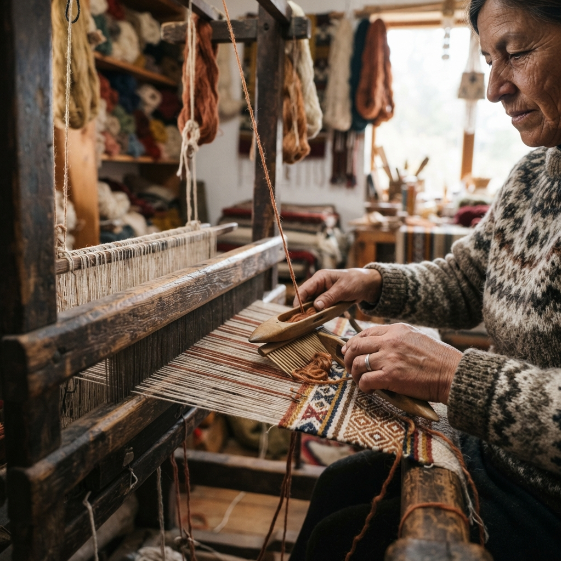
In a world increasingly dominated by mass production and fast decor, Moroccan craftsmanship stands as a beacon of authenticity, patience, and timeless artistry. From the vibrant, labyrinthine alleys of the ancient Medina of Fez to the quiet Berber villages nestled high in the Atlas Mountains, every hand-woven rug, hand-stitched leather pouf, and hand-carved brass lamp tells a story of heritage that spans centuries. Understanding this art is an appreciation of the human touch behind true luxury.
1. Fez: The Historic Capital of Master Artisans For over a millennium, Fez has remained the heart of traditional Moroccan craft. The city’s legendary tanneries and artisan workshops operate using techniques that have remained virtually unchanged since the Middle Ages.
- Leather Crafting: Using organic tanning methods with natural ingredients like olive oil and indigo, leather artisans in Fez turn raw hides into incredibly supple leather. Each leather pouf is meticulously hand-cut and stitched with intricate floral and star patterns.
- Brass & Metalwork: Fez is equally world-renowned for its brass engravers. Artisans spend days hand-hammering and carving intricate arabesque filigree into solid brass sheets, transforming raw metal into mesmerizing light fixtures.
2. The Atlas Mountains: Where Storytelling Meets Wool Traveling south toward the High and Middle Atlas Mountains reveals a completely different form of artistic expression—the traditional weaving of tribal Berber women.
- Living Art: Unlike factory-made carpets, authentic Moroccan rugs (such as Beni Ourain and Azilal styles) are woven without pre-drawn templates. The women weave their personal life stories, tribal symbols, and emotions directly into the warp and weft.
- Pure Raw Materials: The wool is harvested from local mountain sheep, washed in river water, and often left in its raw, undyed state or colored using natural plant dyes like saffron, henna, and pomegranate peel.
3. The Value of Sustainable & Slow Design Incorporating Moroccan artisan pieces into your home is more than an aesthetic choice; it is a commitment to sustainable living and ethical craftsmanship.
- Built to Last: High-quality natural materials—pure virgin wool, solid brass, and vegetable-tanned leather—ensure that these items age gracefully, developing a rich patina and lasting for generations.
- Empowering Communities: Purchasing direct artisan crafts preserves cultural heritage and directly supports local families and rural women’s weaving cooperatives in Morocco.
Final Thought Bringing a piece of Moroccan craftsmanship into your home means owning a one-of-a-kind treasure. It bridges the distance between ancient tradition and modern living, filling your space with warmth, soul, and a genuine connection to the artisans of Fez and the Atlas Mountains.